
The Tracks You Lay Without Knowing
Ever struggle with a huge backlog of photos to edit?

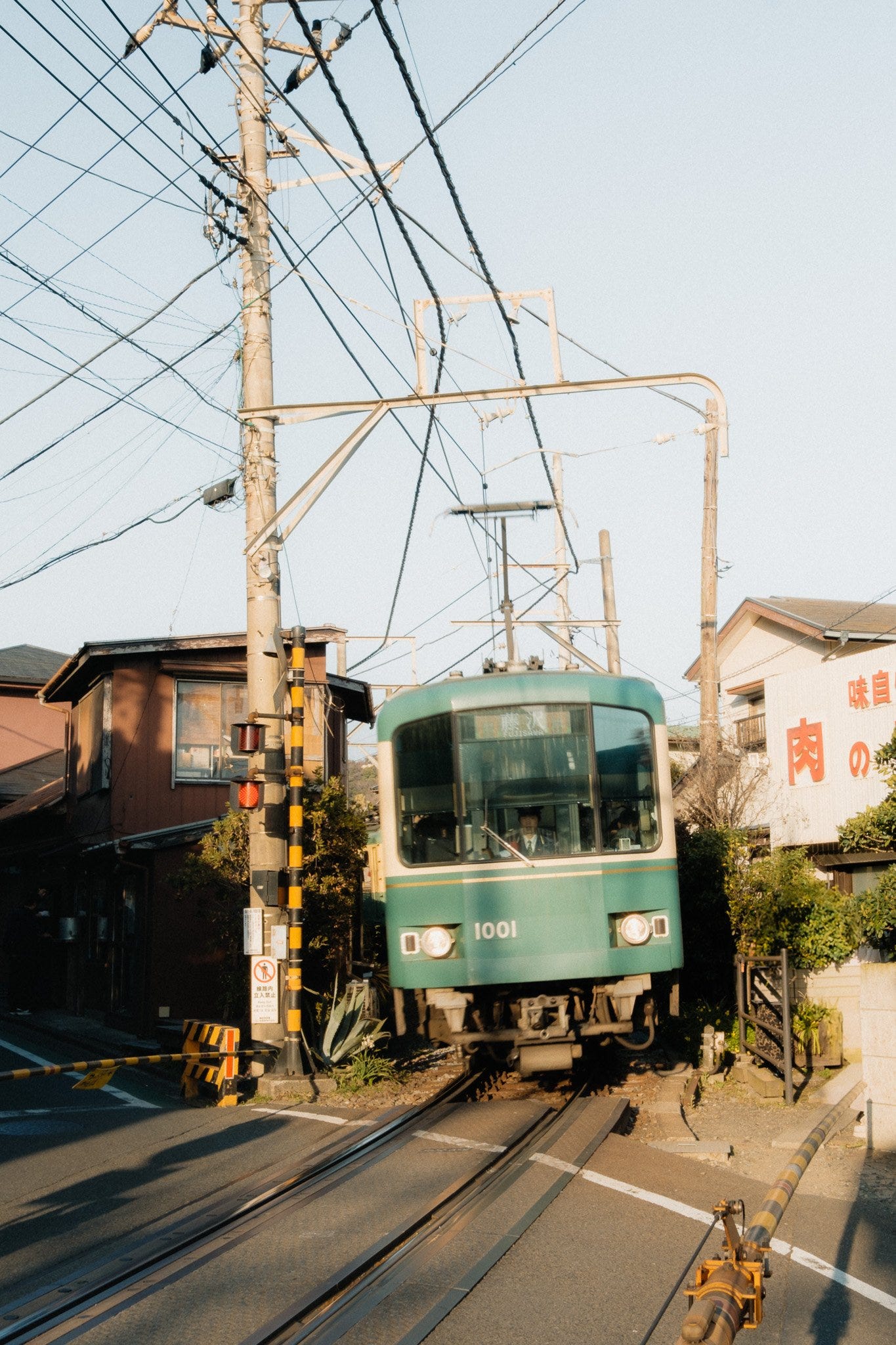
I sat on the Kamakura edits for months.
Not because the photos were bad. Honestly, they were some of the best from the trip. I just couldn’t face the bulk of them. Every time I opened the folder, the sheer number felt like a wall. So I’d close it. Again and again. The backlog grew a strange weight that had nothing to do with the photos.
I’d open the laptop. Open the folder. Look at the count. Close the folder. Tell myself I’d come back to it that weekend. The weekend would arrive and I’d find something else to do. A walk. A different shoot. Anything that wasn’t the wall.
The break came on a Sunday afternoon, a few months in, when I just stopped trying to finish. I pruned three photos. That was all.
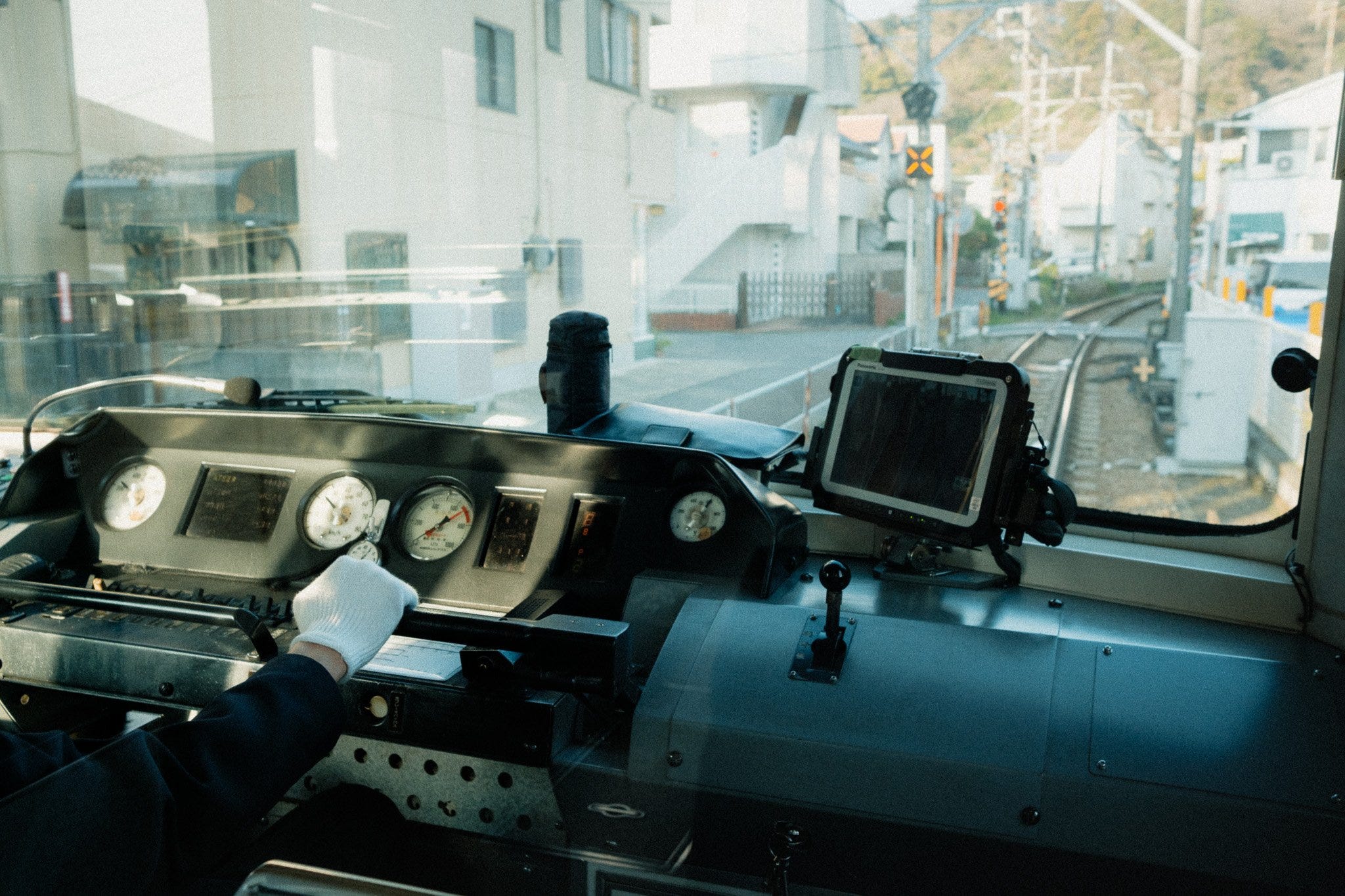
Then the next day I came back and did five more. A few the day after. By the end of the week the folder was empty. Not because I smashed through it. Because I finally let myself move in increments.
I’d shot Kamakura the same way. Just a few circles on a map as waypoints. Giant Buddha and the beach front. A handful of stops on the Enoden line. Anchors to drop me in, not destinations to hit.
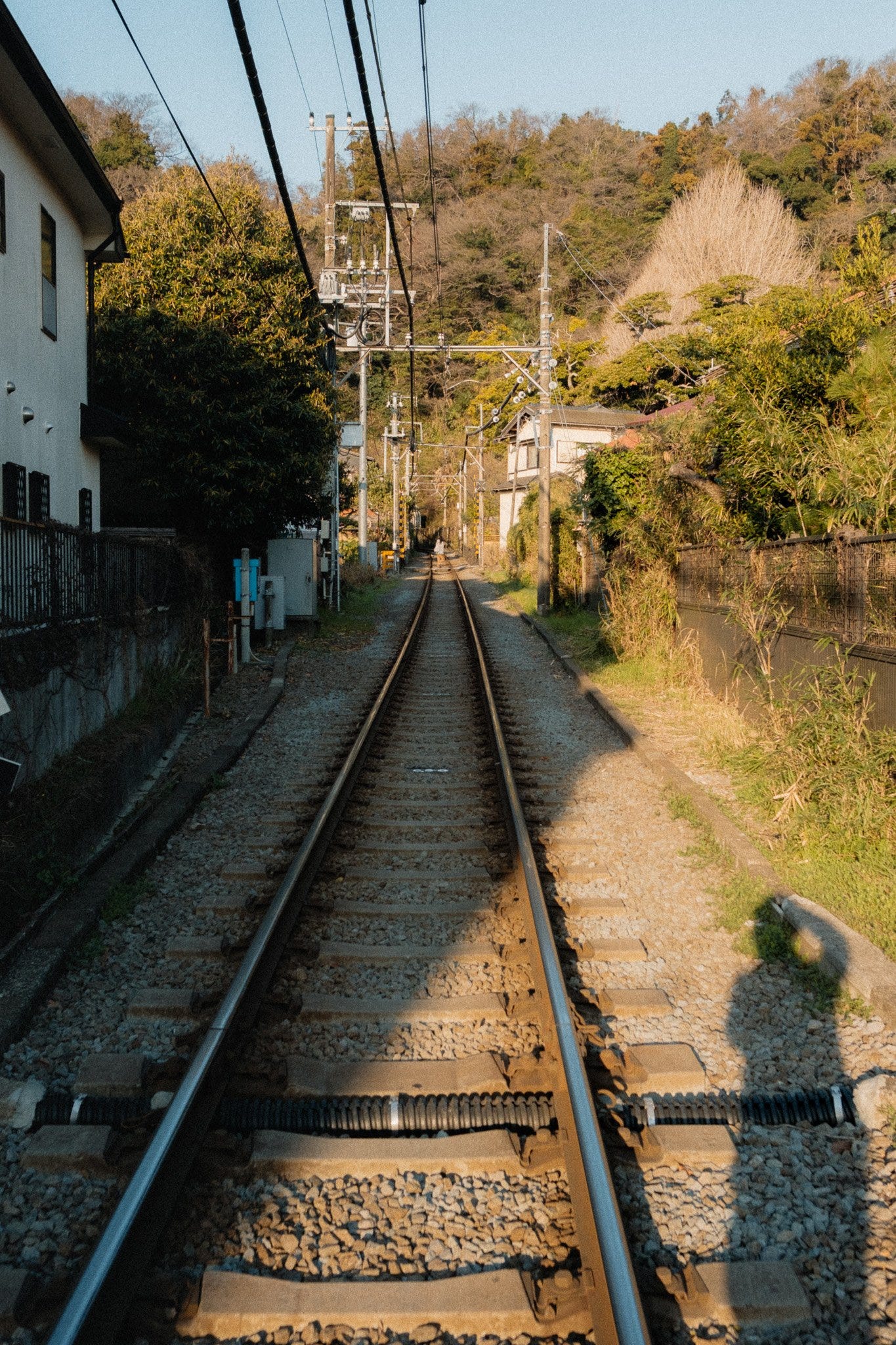
The Enoden cuts through Kamakura at street level. You cross the tracks to get from one stop to the next. Old wooden houses pressed up against newer concrete. Wires overhead, a cat or two on a doorstep. The famous shots are at the marked spots, but the photos that mattered to me were always between them. The back-alley lanes, the residential streets, the half-rusted signs nobody was keeping up for the camera.
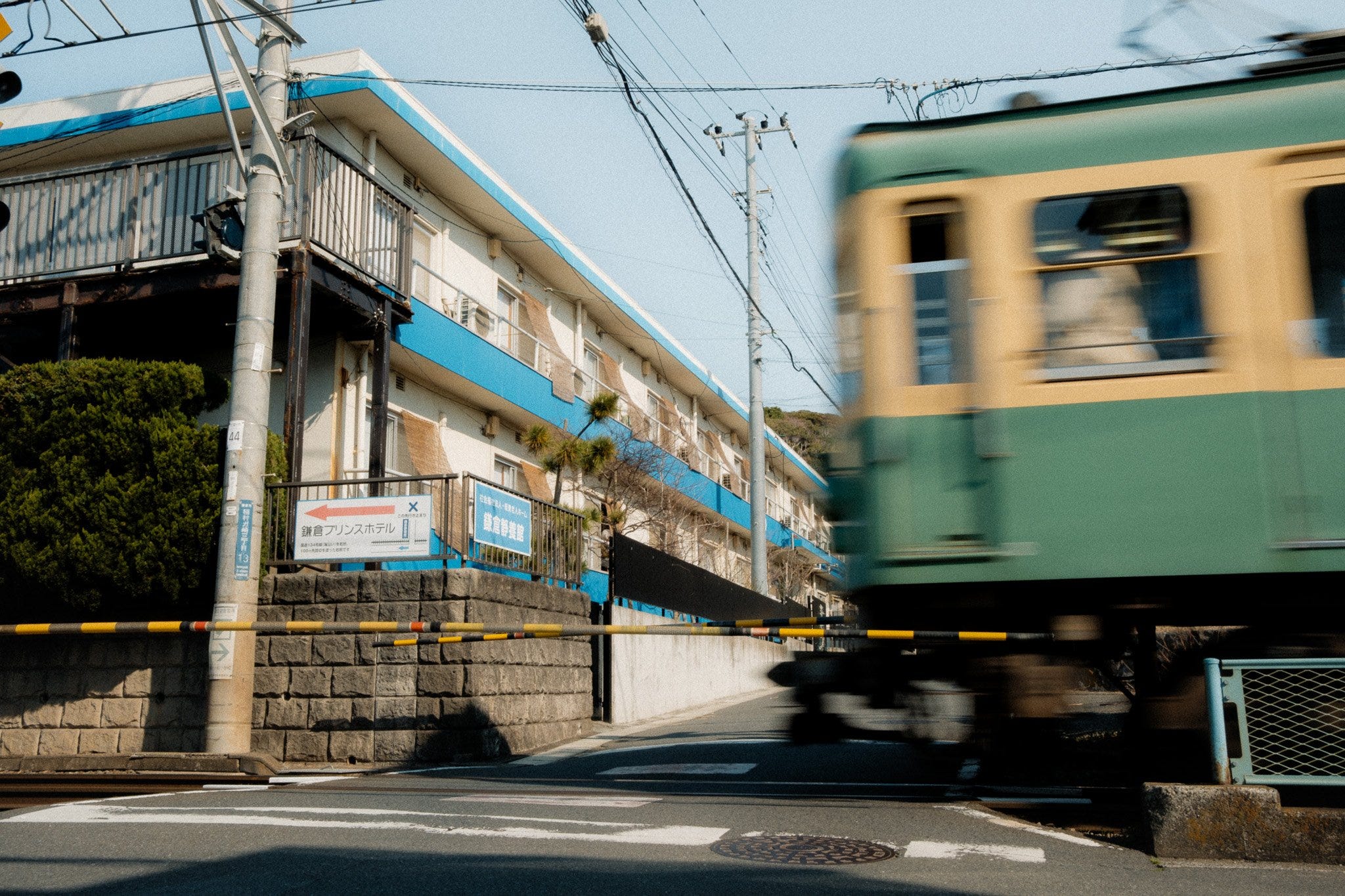
There’s a stretch where the Enoden runs a metre from people’s front doors. I stood at a crossing in late afternoon. The bell started. The barrier came down. The train slid past between two old wooden houses, late light catching the green panels and the wires above. Then the barrier lifted and the street was just a street again. That’s the photo I kept.
I used the waypoints to get around. I shot the in-between.
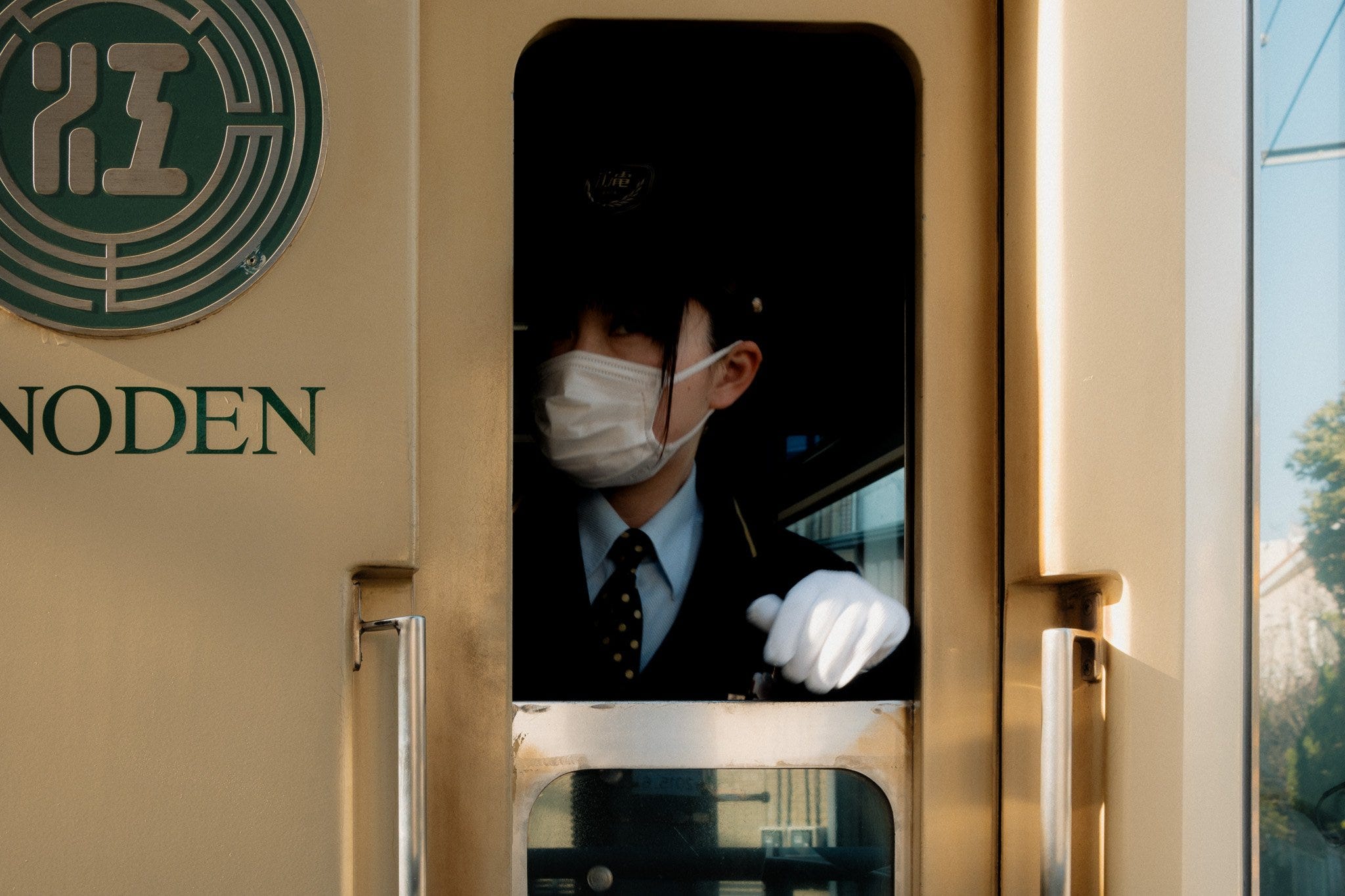
The best edits came on the days I had the least energy.
When I wasn’t trying to produce a finished set. I’d open the folder with no expectation, tweak one image, and the tweak would unlock something for the whole batch. One night I dropped a frame I’d been clinging to since the day I shot it. The moment I cut it, the rest of the morning’s selects fell into order.
Funny how the breakthroughs never come when you’re chasing them. They show up on the days you’re not.
The low-stakes sessions were the creative ones. The ‘finish Kamakura’ sessions were the forced ones.
Then I started noticing what was surviving the cut.
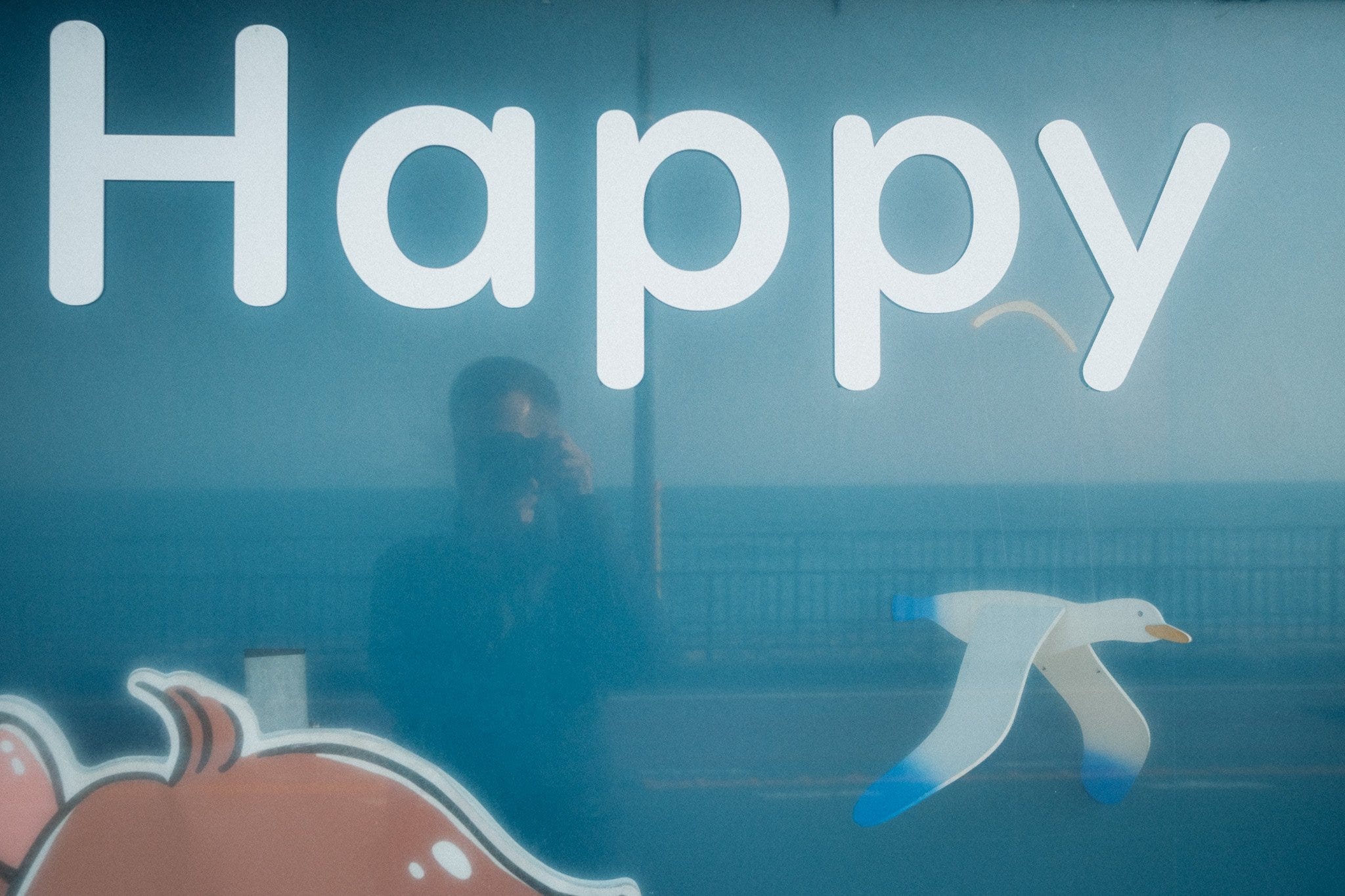
The shots from the marked spots kept dropping out. The frames I kept coming back to were all from in-between. I’d been right in the moment without knowing it. The waypoints got me there. The in-between had the photos.
It took months of procrastinating, then months of chipping away, before I could see the same pattern was running through both the shooting and the editing. The waypoints get you started. The work happens between them.
I still use waypoints. I still need the map. But I’ve learned to trust what happens between the marked spots: in a town, in a folder, in a week of small sessions. The increments feel like nothing in the moment. You look back and you’ve arrived somewhere.
If you’ve got a backlog that feels like a wall, try this. Open it with no goal except one frame.
I’m easily daunted by massive amounts of edits as well, and it took me a year to get through my initial trip to Japan and the photos I took only in enough time to go once again and be in another insane backlog of my own creation.
I love your take on Kamakura though. I would obsessively stick to the back streets and get far more interesting photos because once you’re out of the bustle of those more crowded way points, you can breathe, stop, and absorb. You can take the time to frame and reframe as you please with zero pressure. Great work, man!!
Yes. I've been taking photos since the age of 13 in 1974. In 1999, following the breakdown of a relationship which occurred contemporaneously with the exact point at which I was relocating 500 miles south to take up a new role, my archive of tens of thousands of negatives and slides vanished, never to be found.
I continued to take 35mm and 120 film photos - at an increasing rate due to being somewhere largely unfamiliar. This was right at the start of the digital age, so I had the film processed and scanned to compact disc. I didn't realise how basic / low-res the scans were until quite recently. So, I now have another 25 years of 35mm and 120 negatives which I want to review and to re-scan. This amounts to a small, 4 drawer filing cabinet full.
I now have a Valoi 'Easy' set up with which I can digitally res-scan the negatives as RAW files using my digital camera and a macro lens - and then convert them to positives via Capture One before editing them as needed and building a digital archive. However, I am in my mid-60s and I won't have enough time left to complete the task - particularly as I want to spend some of my remaining time with my wife.
A 'first-world' problem, I know, but life is full of compromises - many of which which don't become apparent until we realise that, as Neil Peart put it so eloquently, "we're only immortal for a limited time".